
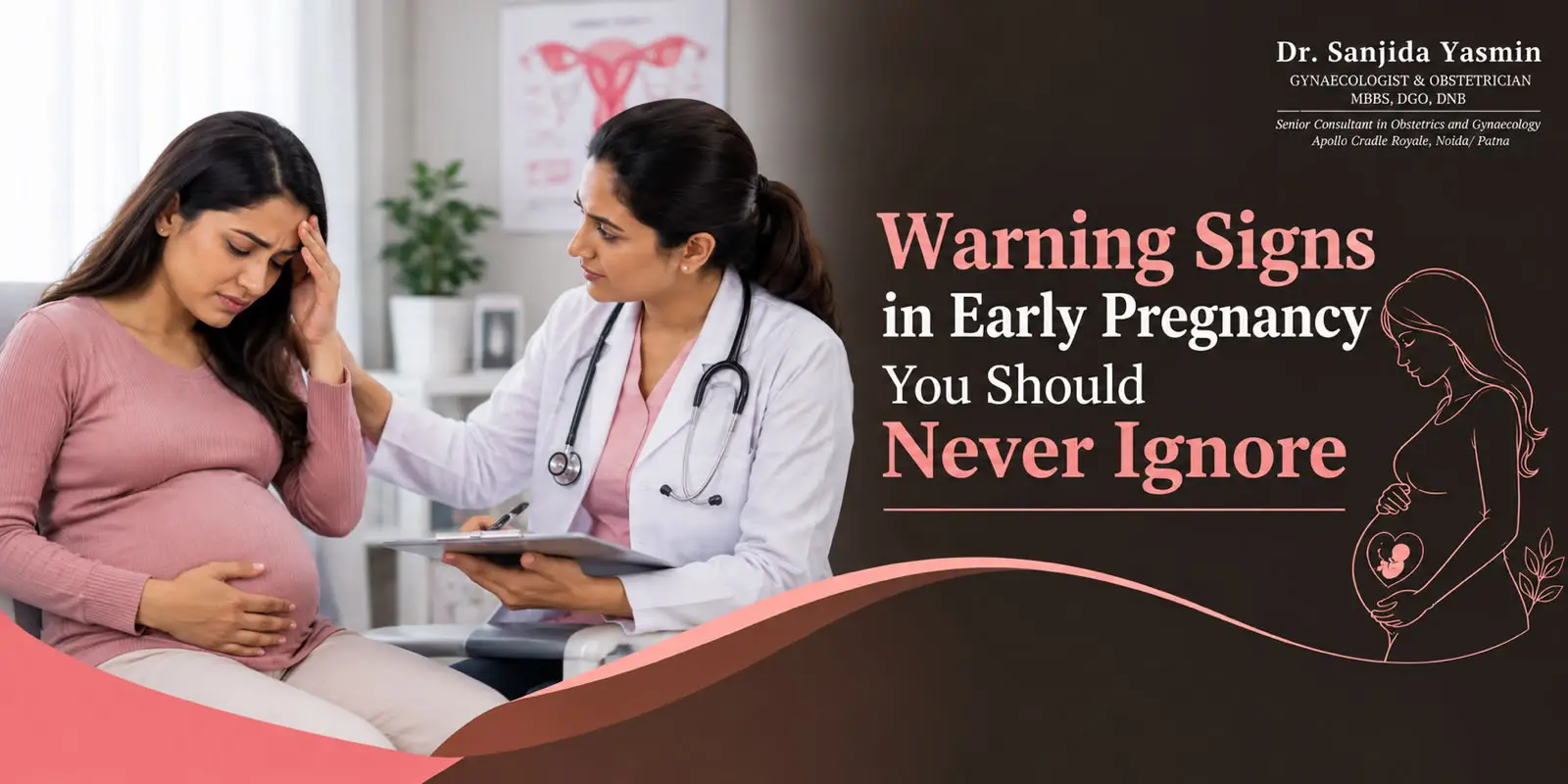
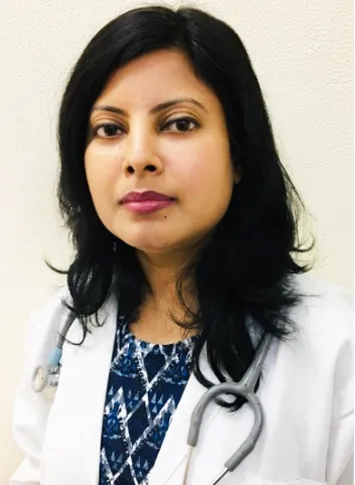
Early pregnancy warning signs are why Dr. Sanjida Yasmin (MBBS, DGO, DNB) keeps her first-trimester appointment slots open, because women who need them rarely plan ahead. She has practiced obstetrics and gynecology for more than 19 years and consults at Apollo Cradle Royale in Greater Kailash-1 and Excella Women’s Clinic in South Extension II. In her experience, the hardest part for a patient is not spotting a symptom; it is deciding whether it is worth a phone call at 11 pm. Most early pregnancy symptoms are uncomfortable and completely harmless. A few aren’t, and the difference matters, so this guide spells it out: what to watch for, what it may mean, and whether you need a call in the morning or a trip to hospital tonight. When something feels unusual during pregnancy, contact your clinic promptly instead of worrying alone. You can schedule appointments at both locations by phone or through the clinic website.
How To Tell A Symptom From A Warning Sign
Nausea, breast tenderness, tiredness, frequent urination, mood changes, and a metallic taste are common during early pregnancy as hormonal levels change. Warning symptoms are different because they may appear suddenly, feel severe, or occur alongside other concerning signs. For example, abdominal pain with bleeding or fever accompanied by chills should not be ignored. Knowing early pregnancy warning signs can help you seek medical care promptly, especially when certain complications require assessment and treatment within hours rather than days.
Bleeding That Is More Than Spotting
Light spotting around the time your period is due can occur in early pregnancy and does not always indicate a problem. However, heavier bleeding that soaks a sanitary pad, includes clots, or occurs with cramping and tissue passage requires medical evaluation. These symptoms may indicate a miscarriage, which affects roughly one in five recognized pregnancies and is usually caused by factors beyond anyone’s control. Bleeding with pain deserves prompt attention, so contact your gynecologist the same day. Keep the used pad available if your doctor needs to assess how much you’re bleeding. Avoid taking pain medication before speaking with your doctor unless advised otherwise.
One-Sided Pain, Shoulder Pain Or Fainting
An ectopic pregnancy occurs when a fertilized egg implants outside the uterus and can become a serious emergency within a short period. Warning signs may include severe or sharp pain on one side of the lower abdomen, shoulder-tip pain, dizziness, or fainting. Some women may also experience light vaginal bleeding. Shoulder-tip pain can seem unrelated because the problem originates elsewhere. Internal bleeding can irritate the diaphragm and cause pain that is felt near the shoulder. When shoulder-tip pain occurs together with abdominal pain, seek emergency medical care immediately instead of waiting for a clinic appointment. In India, pregnant women can call 102 for the free ambulance service, while 108 provides general emergency assistance.
Severe Vomiting That Prevents You From Keeping Fluids Down
Nausea is the most common of all early pregnancy symptoms, and morning sickness is miserable but expected. Hyperemesis gravidarum is different: vomiting many times a day, no fluids staying down, weight loss, dark urine, and a dizziness that does not lift when you lie still. Dehydration in pregnancy builds quietly and often needs IV fluids. A useful guideline is the 24-hour mark. When you cannot keep water or other fluids down for an entire day, it may be more than temporary morning sickness and should be treated as an early pregnancy warning sign requiring medical attention.
Fever, Burning Urine Or Unusual Discharge
A temperature above 100.4°F during the first trimester warrants a same-day call to your doctor, particularly when accompanied by chills or body aches. A burning sensation while urinating, frequent trips to the bathroom, lower-back discomfort, or cloudy urine may indicate a urinary tract infection. Some UTIs may cause few noticeable symptoms at first but can become more serious if the infection reaches the kidneys. Unusual green or grey vaginal discharge with an unpleasant odor, along with itching or soreness, also requires medical evaluation. Avoid treating these symptoms with leftover antibiotics at home, as certain medicines may not be appropriate during pregnancy. Your doctor can recommend suitable testing and treatment.
Breathlessness, Chest Pain Or A Swollen Calf
Mild breathlessness while climbing stairs can be a normal part of pregnancy. However, sudden difficulty breathing, breathlessness at rest, or chest pain requires urgent medical assessment. Pain or swelling in one calf should also be checked promptly, as pregnancy increases the risk of blood clots, which can travel to the lungs.
A persistent or severe headache, blurred vision, flashing lights, or sudden swelling around the face and hands can also signal a pregnancy complication. These symptoms are more commonly associated with later pregnancy, but women with conditions such as high blood pressure or diabetes may require earlier monitoring. This is why high-risk pregnancy care is particularly important for women with existing health conditions.
What Usually Turns Out To Be Fine
Most of what the first twelve weeks brings is uncomfortable rather than dangerous. Nausea, breast tenderness, tiredness, frequent urination, mood changes and a metallic taste are all common as hormone levels change. Light spotting around the time your period was due does not always indicate a problem. Mild cramping as the uterus stretches is expected, and so is mild breathlessness when you climb stairs. Symptoms that come and go, or fade suddenly, usually reflect nothing more than shifting hormones. Mention them at your next appointment if they worry you - asking is always better than wondering.
Call Today Or Go Tonight
Of all the early pregnancy warning signs, these are the ones that cannot wait: heavy bleeding, severe one-sided pain, shoulder-tip pain, fainting, chest pain, or sudden breathlessness. Contact your doctor on the same day if you develop a fever, cannot keep fluids down for 24 hours, experience burning while urinating, notice foul-smelling discharge, or have vaginal bleeding without pain. Save your gynecologist’s contact details and decide in advance which hospital you would visit during an emergency at night. Having this plan ready can help you seek care without delay, which is particularly important when an ectopic pregnancy is suspected.
Pregnancy Care With Dr. Sanjida Yasmin
Dr. Sanjida Yasmin provides care through scheduled antenatal appointments and for unexpected situations, such as bleeding at eight weeks, persistent abdominal pain, or a fever that develops over the weekend. Both clinics offer first-trimester assessments, ultrasound reviews, and pregnancy care for conditions including PCOS, thyroid disorders, and anemia. During the initial consultation, she also explains key early pregnancy warning signs, helping patients recognize when they need medical attention rather than searching for answers in an emergency. You can book appointments at the Greater Kailash-1 and South Extension II clinics by phone or through the website. Government hospitals also offer free antenatal services, while eligible pregnant women can access free emergency transport through the Janani Shishu Suraksha Karyakram.
Frequently Asked Questions
Is cramping in early pregnancy always a bad sign?
No, mild cramping as the uterus stretches is common. Cramping with bleeding, or severe pain on one side, needs same-day attention.
How much bleeding is too much?
Light spotting can be harmless, but heavy bleeding, clots, or bleeding with pain requires immediate doctor’s attention.
Can my early pregnancy symptoms disappear suddenly?
Yes, and it is usually harmless. Symptoms fluctuate as hormones change. However, mention it at your next visit if it worries you.
Which early pregnancy warning signs mean I should go to hospital rather than call?
Heavy bleeding, severe one-sided pain, shoulder-tip pain, fainting, chest pain or sudden breathlessness.
Is fever dangerous in the first trimester?
Assess fever above 100.4°F the same day. Do not take medicines left over from an earlier illness, as several are unsafe in pregnancy.
What if I am not sure whether something is serious?
Call your gynecologist right away, as they would prefer answering a question about common pregnancy symptoms rather than treating a problem after unnecessary delay.
Conclusion
Most changes during the first twelve weeks can be uncomfortable while remaining completely normal. The early pregnancy warning signs that require attention are fewer and often follow a pattern: they appear suddenly, feel severe, or occur alongside other symptoms. Heavy bleeding, one-sided abdominal pain, shoulder-tip pain, fainting, or being unable to keep fluids down for an entire day should not be ignored. Recognizing these differences can prevent delays during genuine emergencies while reducing unnecessary worry about harmless symptoms. Keep your doctor’s contact number easily accessible, even at night, and never hesitate to ask about something that concerns you. A seemingly minor question may still deserve medical advice.