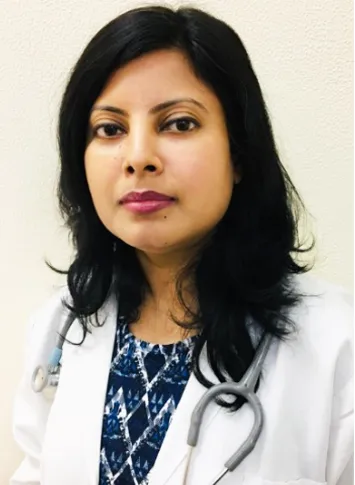
If you are someone who knows that they are experiencing a high-risk pregnancy, then you need an
expert gynecologist and obstetrician in Delhi. At Dr Sanjida in Delhi, the team recognises the specific challenges and worries that come with these high-risk pregnancies, which are said to be high-risk pregnancies. The doctor, with her compassionate and professional team, offers the specialized care and guidance that is needed. Remember, high-risk pregnancies need expert advice, and Dr Sanjida Yasmin is known for the best high-risk pregnancy Management in Delhi.
What is a high-risk pregnancy?
A high-risk pregnancy means that an expectant mother and her baby have an increased chance of health issues either before, during, or after childbirth. Pregnancy risk increases because of many factors, like pre-existing medical issues, the mother’s age, lifestyle, as well as prenatal or postpartum medical problems. However, having a high-risk pregnancy does not mean that you will definitely experience health issues, and many women with preexisting medical problems have healthy pregnancies and have normal labor and deliveries. When your doctor specifies that you have a high-risk pregnancy, you may panic.
However, it can be managed well as you may need extra and additional tests that will help the gynecologist to carefully monitor the health during the appointments and address many concerns that will come up. It is vital for you to know all about high-risk pregnancy and also learn to manage it well and to take proper care of yourself and your baby. Trusting your gynecologist and obstetrician’s advice is crucial, and you can also ask for assistance to manage it well. Dr Sanjida Yasmin is among the top gynecologists who helped many women successfully carry high-risk pregnancies and deliver a healthy baby.
High-risk pregnancies Causes
A high-risk pregnancy means high chances of challenges. Some pregnancies are high risk from the start, while others become high risk at later stages. Reasons can be many :
- Preexisting medical condition
- Lifestyle factors like alcohol use, smoking, exposure to toxins, etc
- Pregnancy-related health issues, gestational diabetes, low birth weight, twins or triplets, gestational hypertension, Placenta previa, history of preterm birth, etc.
- Autoimmune disease
- High BP
- Diabetes
- HIV AIDS
- Fibroids
- Obesity
- Kidney disease
- Mental health issues
- PCOS
- Thyroid disease
Treatment and management of high-risk pregnancies
High-risk pregnancies demand more stringent management and care to ensure that all involved risks are controlled on time. Knowledge about it would allow the expectant mothers and their families to take proper measures based on the control of probable complications. Adequate management of high-risk pregnancy is the only way to enhance the outcome for the baby and the mother. Dr Sanjida Yasmin, one of the best ob-gyns in Delhi, recommends close monitoring if you are someone having a high-risk pregnancy, because it may, in some cases, need medical interventions.
This is to ensure the health and safety of the mother and baby. The treatment for the modalities of high-risk pregnancies varies and differs for different patients, and depends upon the risks and complications that are involved. Diagnosis of high-risk pregnancies can be defined by the medical history, physical examination, along some tests of the woman. Some treatment options for high-risk pregnancy management are :
Proper rest
In some high-risk pregnancies, doctors suggest proper bed rest to reduce complications. It involves complete or partial bed rest, and in some cases, doctors may recommend early hospitalization to receive antepartum care.
Lifestyle changes
The gynecologist will recommend some lifestyle changes, such as diet or exercise, and avoiding things that can increase the risk to reduce complications.
Follow-up can be frequent
Expert Ob-Gyn specialists in Delhi recommend periodic visits so that proper monitoring can be done in terms of conditions and fetal growth. Also, she can advise on many investigations to revise the treatment plan.
Medications
Some serious medical conditions like hypertension, diabetes, anemia, cardiovascular diseases, and kidney or liver disease increase the risk, and medication will be recommended to help them manage. This will ensure the health of both the expectant mother and the baby.
Fetal monitoring
The expert doctor, in some cases, may recommend fetal monitoring to track the baby’s heart functioning and to detect any potential issues at an early stage.
Surgical interventions
Some high-risk pregnancies may need surgery to address some specific conditions that can affect the mother’s or baby’s health, such as cervical cerclage, which is sometimes done to reduce the risk of premature labor.
Early delivery
In some cases, early delivery is the only option left to reduce the complications, and Dr. Sanjida Yasmin manages it well. The treatment may involve inducing labor or performing a C-section delivery before the due date.
Why is Dr Sanjida Yasmin’s clinic the best choice for high-risk pregnancy management?
Dr Sanjida Yasmin’s clinic in Delhi is the best option for the management of high-risk pregnancy in Delhi, due to the following reasons:
Experienced gynecologist and obstetrician
Dr Sanjida has more than 17 years of experience in her field and has expertise in high-risk pregnancy management and delivery. She is well-trained in managing high-risk pregnancies and works closely with her expert team and other specialists to provide comprehensive patient care.
Advanced diagnostic and treatment facilities
Dr Sanjida Yasmin’s clinic has advanced diagnostic and treatment facilities that assist in early detection and management of high-risk pregnancies. The clinic has state-of-the-art fetal monitoring systems, the latest ultrasound machine, and genetic testing facilities that can help in early diagnosis of complications.
Specialised care
Dr Sanjida in Delhi offers specialized care for many high-risk pregnancy complications like gestational diabetes, placenta previa, and preeclampsia. The clinic has a specialized team that is well-trained in managing these conditions and ensuring a safe pregnancy and childbirth.
Not all high-risk pregnancies lead to complications. Eating a healthy diet, regular intake of supplements, along with an active lifestyle, can reduce the complications of high-risk pregnancy.
Book an appointment today at Dr Sanjida Yasmin’s clinic in Delhi to look forward to a safe delivery with the best gynecologist and to give a healthy start to your baby. Whether it is a treatment for complications or a preventive consultation, Dr. Sanjida Yasmin ensures comprehensive care for both the mother and her baby.
FAQs
1. What are the most effective ways to manage women with a high-risk pregnancy?
The treatment of pregnant women at risk requires careful surveillance and a special focus on the safety of the mother and the baby. It involves frequent examinations such as some crucialRegular blood tests and other investigations may be required throughout pregnancy based on the mother’s condition, and routine ultrasounds for the careful examination of the Monitoring the growth and well-being of the fetus through regular ultrasounds and antenatal testing. In some situations, the use of medications, like adjustments to diet or rest and monitoring in the hospital may also be suggested. With the help of a competent gynecologist, the issues can be managed effectively to ensure a safe birth.
2. What can you do when your child is believed to be at risk?
If you’re pregnant, and identified as being at risk, the first step is to see an experienced obstetrician or gynecologist as soon as possible. You are advised to follow the advice of your doctor throughout the pregnancy. Keep records of your appointments for check-ups and Avoid self-medication and consult your doctor before taking any medication or supplement. Follow a healthy and balanced diet, drink plenty of fluids and try to keep the stress levels in control. Inform your doctor immediately in case you come across any symptoms that are unusual. Early intervention and ongoing monitoring is essential to reduce the risks in pregnancy.
3. What are the warning signs of a pregnancy?
Six important danger signs during pregnancy include:
- Acute abdominal cramps or pain
- Vaginal bleeding or leaking of fluid.
- Severe headache, blurred vision, or sudden visual disturbances.
- Reduced or absent fetal movements after 28 weeks of pregnancy.
- Severe swelling in hands, face, or Feet
- Consistent vomiting or high fever
If any of the above signs become apparent, immediate medical attention is needed.
4. Do’s and Don’ts for pregnant women who are at risk?
Do’s:
- Make sure you regularly undergo prenatal screenings
- Make sure you take your medication in a timely manner.
- Eat a balanced, nutrient-rich diet
- Relax and get some time to rest.
- Stay adequately hydrated and get sufficient rest as advised by your doctor.
Don’ts:
- Avoid alcohol, smoking, and recreational drugs, and limit caffeine intake according to your doctor’s recommendations.
- Be sure to keep regular medical appointments.
- Don’t engage in vigorous physical exercise or put on extreme levels of stress.
- Don’t take medication without a doctor’s approval
- Do not disregard warning indicators
5. What are some of the most frequently used risk indicators?
The most common risk factors include younger and older mothers (below the age of 18 and above 35) or pre-existing medical conditions such as hypertension or diabetes, Obesity or being significantly overweight before pregnancy, and multiple pregnancies (twins or triplets) or the History of recurrent miscarriage, C-sections, as well as infections during pregnancy. Additionally, there are other factors in the lifestyle, like smoking cigarettes or eating a diet that is unhealthy. The early detection and proper medical treatment may decrease the risk of these problems.